Rubber vs artificial turf: how to clean gym floors without wrecking them.
A working guide from a Wellington gym cleaner. The chemistry, the frequency, and the mistakes that show up as chalking, matted turf, and a room that smells by 6pm.
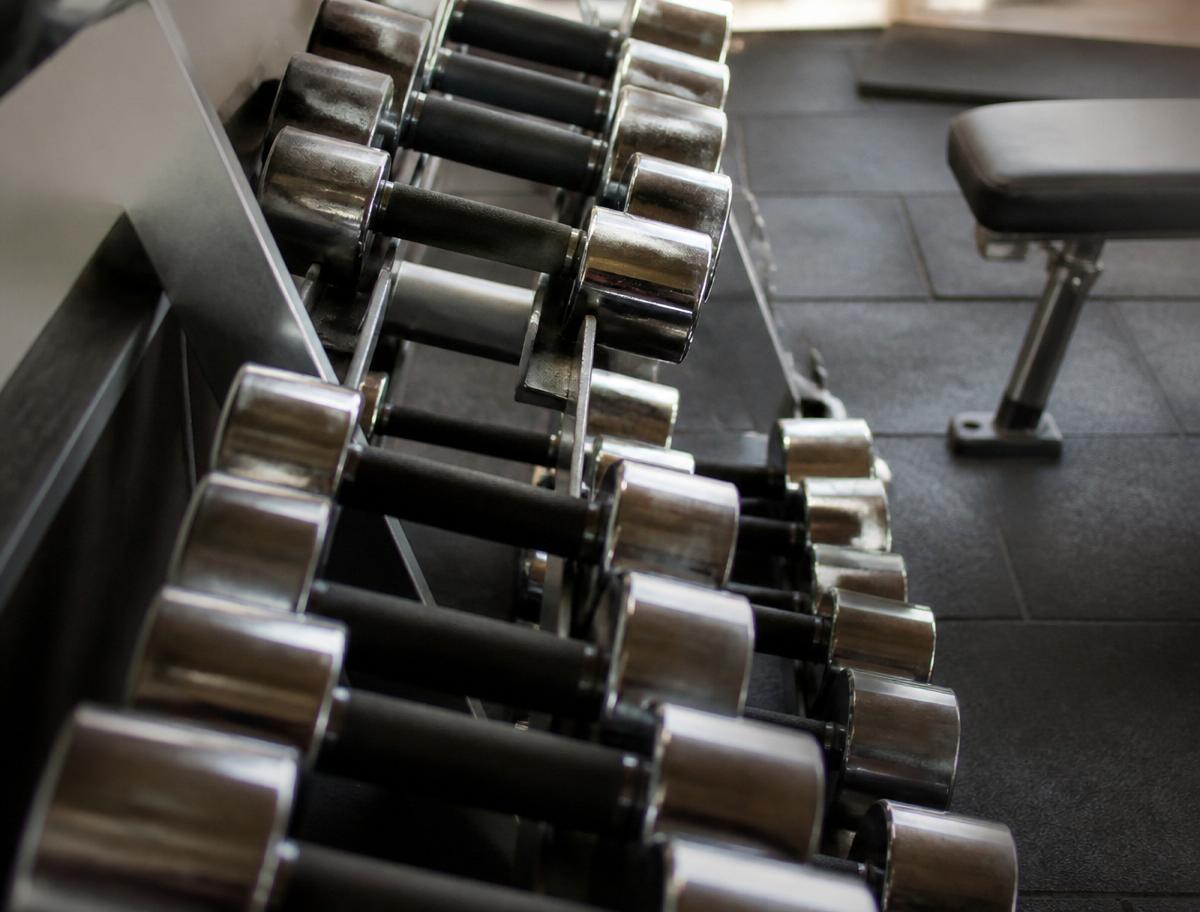
Rubber flooring
Vulcanised rubber is porous at the microscopic level. It absorbs sweat, chalk, and whatever you clean it with — which is why the wrong chemistry causes more damage than the traffic ever will.
- Use: pH-neutral detergent (7.0–8.5), warm water, microfibre flat mop, changed per 100m².
- Avoid: ammonia, bleach, citrus solvents, high-alkaline degreasers — all strip plasticisers and dry the surface.
- Weekly: low-speed rotary with a red pad and neutral cleaner to lift ground-in chalk from seams.
- Warranty note: most rubber flooring warranties (Regupol, Ecore, Sportec) are void if ammonia, bleach, or solvent-based products are used. Keep the SDS on file.
Artificial turf strips
Turf lanes trap infill, skin cells, and sweat in the pile backing — the exact conditions biofilm needs. Most cleaners just vacuum the top; the smell comes from what's underneath.
- Vacuum first: upright with a beater bar set high, or a backpack with a crevice tool along the seams.
- Enzymatic treatment: apply a protease/lipase enzyme cleaner monthly, dwell 10 minutes, brush across the pile with a soft nylon brush.
- Avoid rotary scrubbers: they mat and shine the fibres — irreversible on nylon turf, expensive to replace.
- Sled tracks: spot-treat rubber marks with a citrus-free adhesive remover on a cloth, never poured onto the turf.
Why gym floors still smell after they're "clean".
A bacterial layer bonded to the surface with its own polysaccharide matrix. Detergent surfactants don't dissolve it — they just wet the top.
Rubber tile seams, turf backing, shower grout, floor waste drains, and the underside of any mat that isn't lifted weekly.
Enzymatic (protease + lipase) cleaners digest the matrix. 10-minute dwell, agitate, rinse. Repeat monthly on turf and drains.
The rotation we run in Wellington gyms.
| Task | Rubber | Turf |
|---|---|---|
| Vacuum / dust | Daily | Daily |
| Damp mop, neutral detergent | Daily | Spot only |
| Rotary + red pad | Weekly | Never |
| Enzymatic treatment | Monthly (seams) | Monthly |
| Deep rinse-extract | Quarterly | Quarterly (bonded turf) |
Common questions from Wellington gym owners.
A pH-neutral, ammonia-free detergent diluted per label. Ammonia and high-alkaline degreasers dry out vulcanised rubber, cause surface chalking, and void most manufacturer warranties. Bleach discolours and hardens the top layer within weeks of repeated use.
Vacuum or blow debris out of the pile first, then apply an enzymatic (biofilm-targeting) solution with a soft-bristle brush across the pile direction — not a rotary scrubber, which mats the fibres. Rinse-extract if the turf is bonded; damp-mop only if it's a loose-lay strip over sealed concrete.
Daily damp mop and spot-clean; weekly rubber deep clean with a neutral detergent; monthly enzymatic treatment on turf lanes and shower drains. Higher-traffic sites (CrossFit boxes, 24/7 gyms) shift the weekly to twice-weekly.
Biofilm — a bacterial layer that mops don't lift and standard detergents don't break down. It builds up in rubber seams, turf backing, and drain traps. Enzymatic cleaners digest the biofilm; surfactants alone just move it around.
Rather have us do it?
Every Quickr Clean cleaner is trained on this exact rotation — in the founder's own Wellington gym before they set foot in yours.